Occasions
Moroccan Ramadan Foods: What Is on the Iftar Table
Harira, chebakia, dates and sellou — the dishes that break the fast in Morocco, and a practical plan for cooking them without spending every evening in the kitchen.
The Moroccan Cooks KitchenUpdated
The Moroccan iftar table is unusually consistent from one household to the next. Whatever else changes, the same core appears at sunset across the country: dates, harira, chebakia, hard-boiled eggs and something fried.
What is on the table
Dates and milk
The fast is broken with dates and a glass of milk or buttermilk before anything else, following prophetic tradition. Everything else follows a few minutes later.
Harira
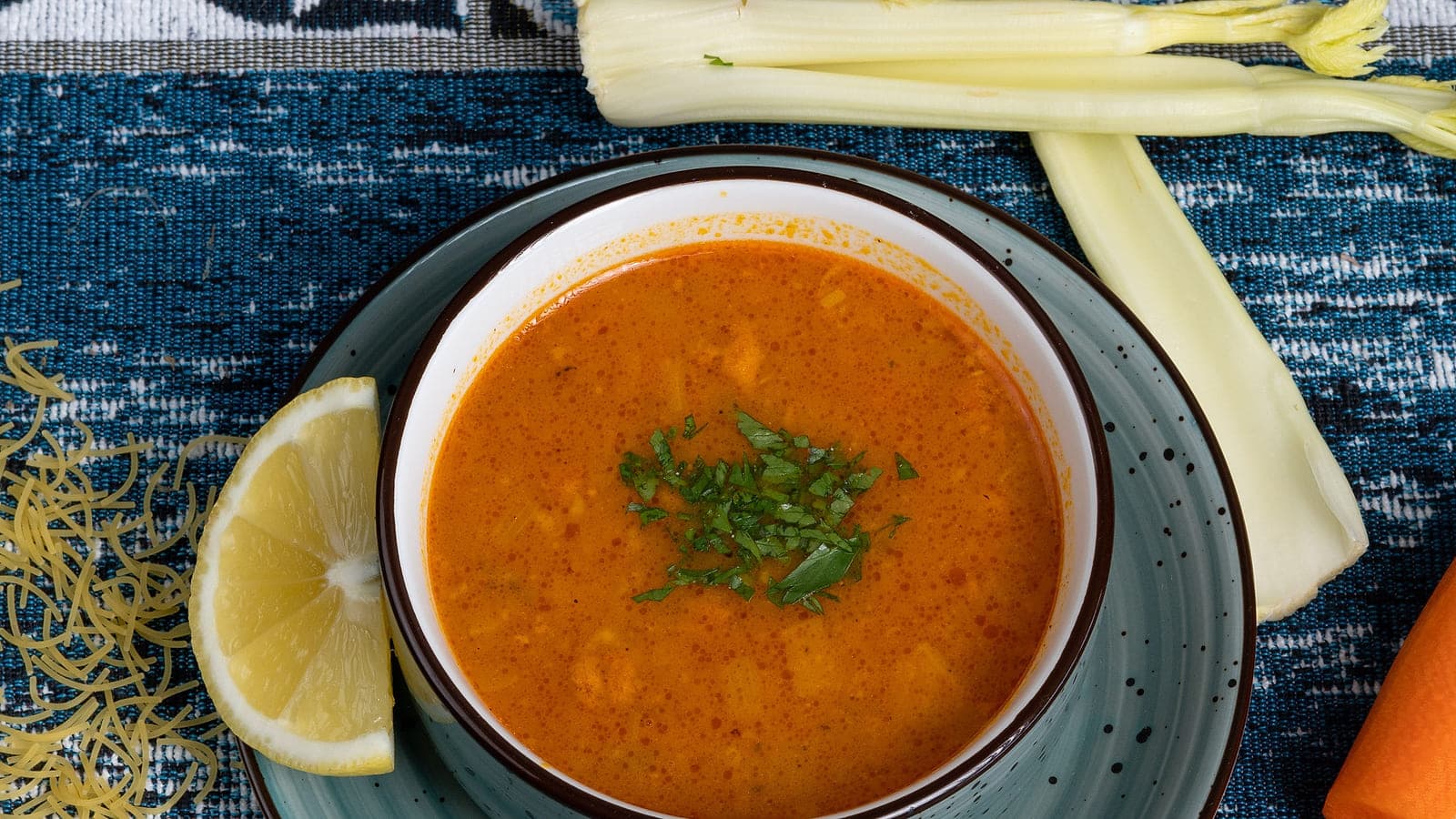
The tomato, lentil and chickpea soup thickened with a flour tedouira. It is the centre of the table and the reason most Moroccan households have a very large pot.
Chebakia
Sesame and honey rosettes, made by the kilo in the week before Ramadan begins and eaten alongside the soup rather than after it. The sweetness against the savoury soup is the point.
Msemen, harcha and batbout
Breads are made fresh or reheated from the freezer, served with honey, butter, cheese and jam. Batbout are often split and stuffed with kefta or tuna.
Briouat and other fried things
Savoury pastry parcels with chicken, meat or cheese; sometimes sardine balls or potato maakouda.
Eggs, olives and cheese
Hard-boiled eggs with cumin and salt on the side are near-universal, alongside olives and soft white cheese.
Sellou
A dense, unbaked mixture of toasted flour, almonds, sesame, honey and butter, eaten by the spoonful. Very high in energy, which is precisely why it exists.
Juices
Avocado, almond, orange and date milkshakes, made thick. Mint tea comes later in the evening.
A make-ahead plan
Ramadan cooking is manageable if the work is front-loaded. The following schedule is close to what most Moroccan households actually do.
- Two weeks before: make chebakia and store it in sealed tins. It keeps for a month and improves.
- One week before: make sellou and keep it in a jar. Fold and freeze briouat raw on trays, then bag them.
- The weekend before: cook and freeze a batch of msemen and batbout, stacked with baking paper.
- Each weekend during the month: make a large pot of harira base without the tedouira and refrigerate or freeze in portions.
- Each day: reheat the harira, add the tedouira fresh, fry briouat from frozen, reheat breads in a dry pan. Twenty minutes of work.
Suhoor
The pre-dawn meal is lighter and leans on things that release energy slowly: harcha or msemen with honey, sellou, dates, yoghurt, and plenty of water. Salty and heavily spiced food is generally avoided because of the thirst it causes during the day.
Frequently asked questions
What do Moroccans eat to break the fast?
Why is chebakia eaten with harira?
What is sellou?
Get Moroccan recipes in your inbox
New recipes, cooking tips and delicious ideas — one email a week.
Recipes from this article
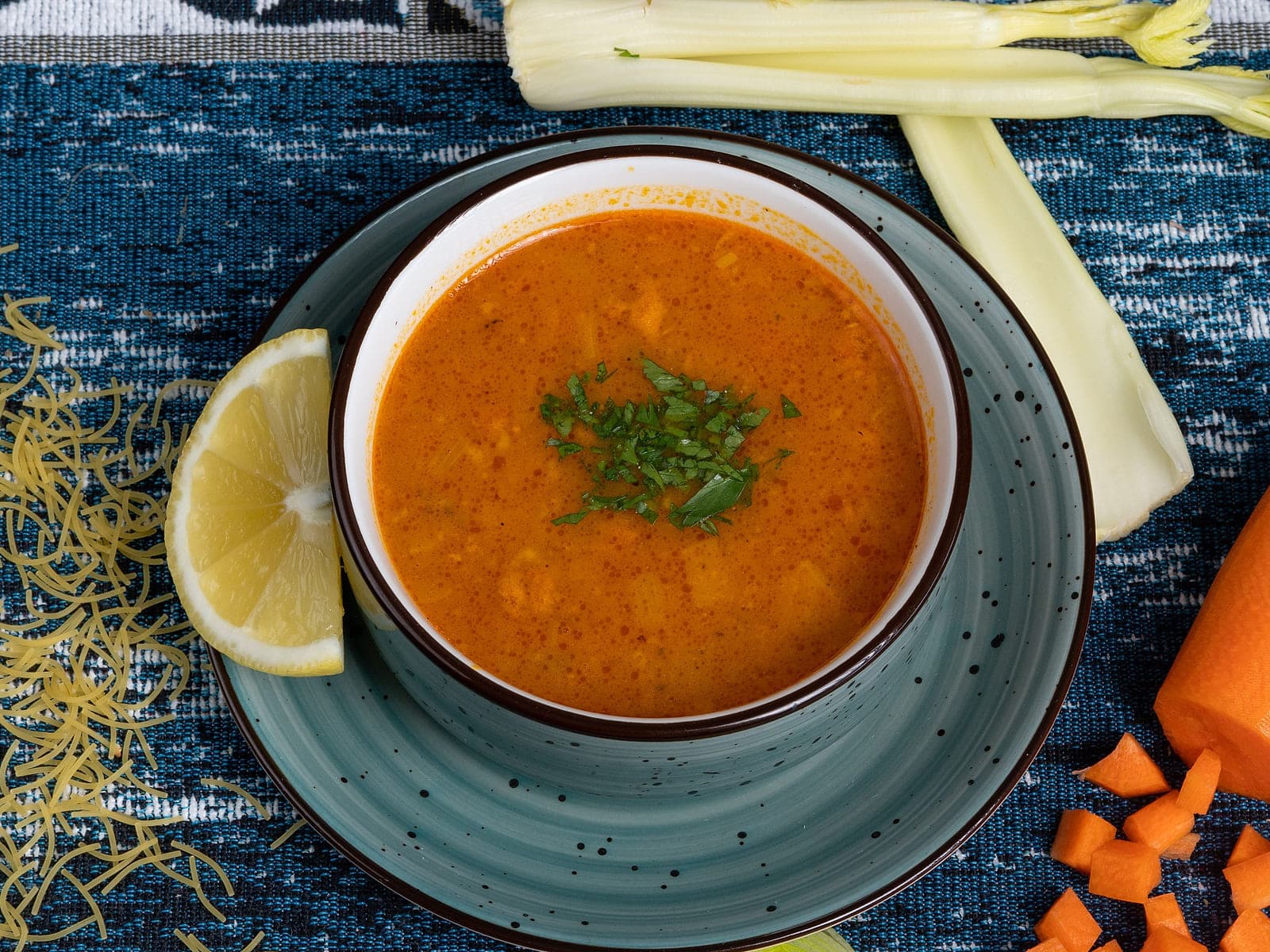
Harira — Moroccan Tomato, Lentil and Chickpea Soup
The soup that breaks the fast in Ramadan: tomato, lentils, chickpeas and lamb, thickened with a flour and water tedouira and finished with coriander.
Chebakia — Moroccan Sesame and Honey Rosettes
Spiced sesame dough folded into flowers, fried until crisp and soaked in warm honey and orange blossom water.
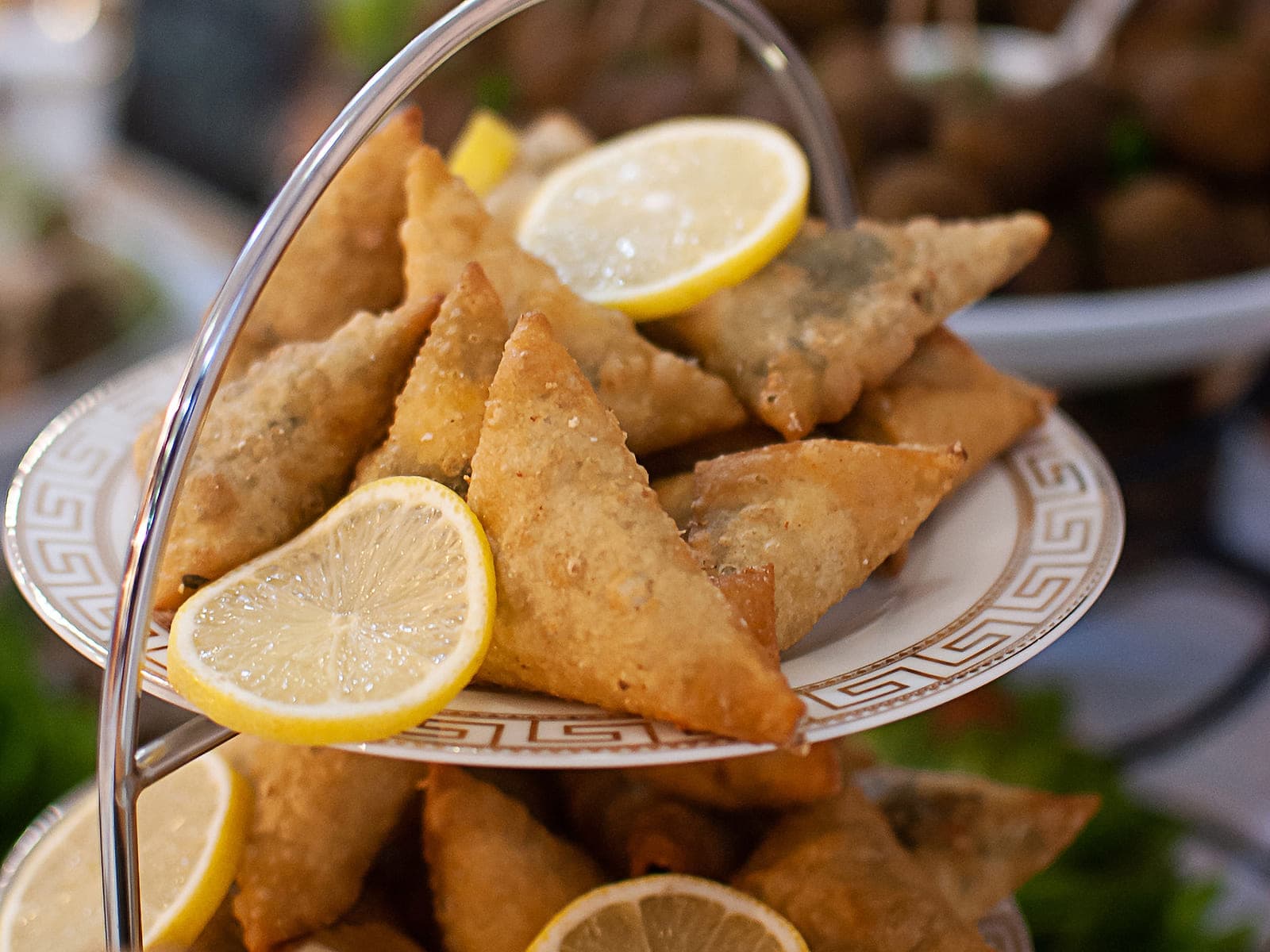
Moroccan Briouat — Crisp Almond and Savoury Parcels
Triangles and cigars of thin warqa pastry filled with honeyed almond paste or spiced meat, fried until shatteringly crisp.
Msemen — Moroccan Layered Flatbread
Squares of semolina dough stretched paper thin, folded with butter and pan-fried into flaky layers for breakfast with honey and tea.
Keep reading
Guides
Traditional Moroccan Breakfast Ideas
What a Moroccan breakfast actually looks like, from weekday bread and olive oil to the full Friday spread — and how to put one together at home.
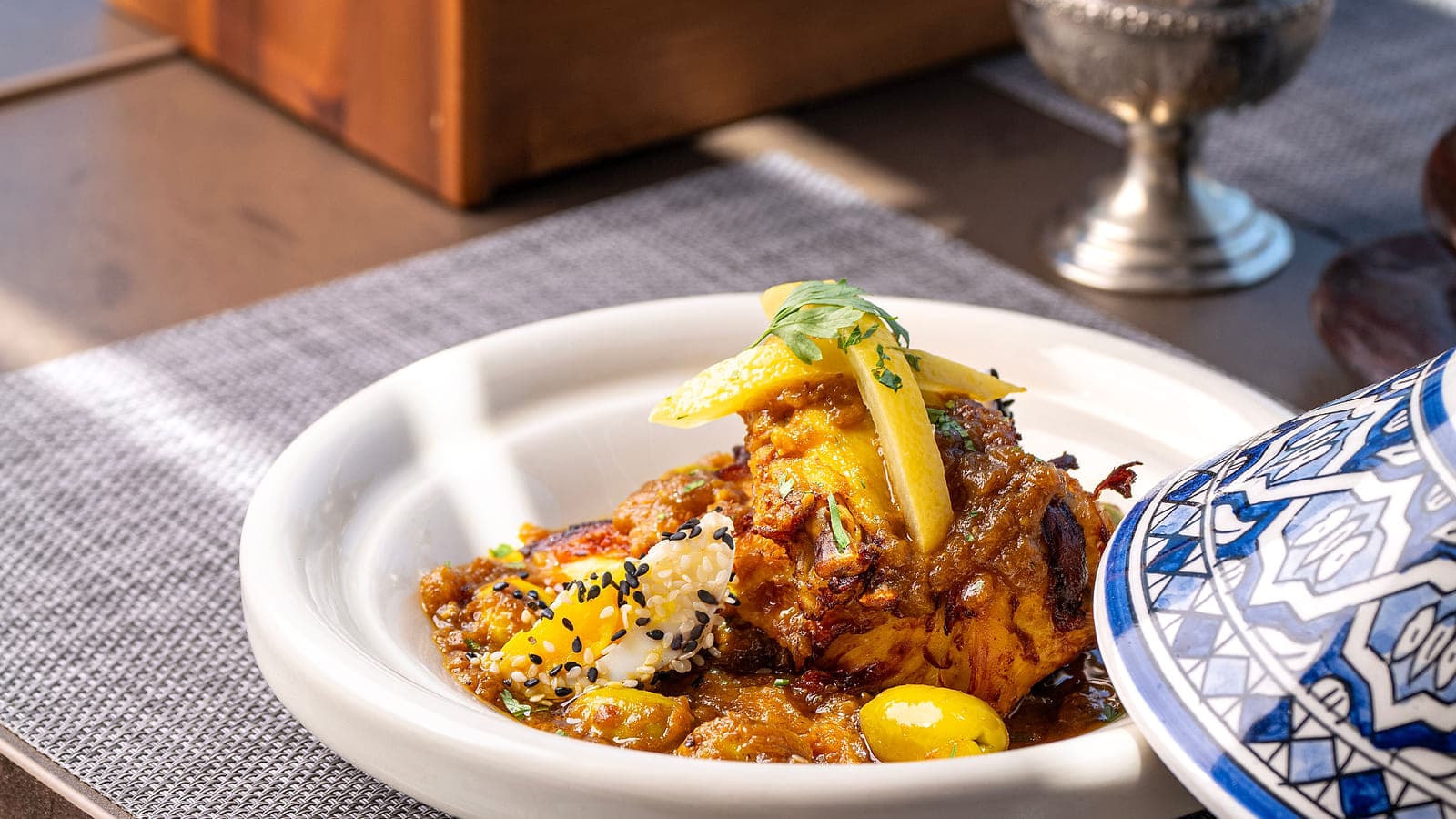
Guides
10 Traditional Moroccan Dishes You Need to Try
A guide to the ten dishes that define Moroccan cooking, what each one actually tastes like, and where to start if you are cooking them for the first time.