
Moroccan Tagines
Moroccan Vegetable Tagine with Chickpeas
Root vegetables, chickpeas and apricots layered in a tagine with ginger, turmeric and preserved lemon, cooked until the sauce thickens around them.
80 minEasy
Slow-cooked stews of meat, vegetables and spices, named after the conical clay pot they are made in.
3 recipes

Root vegetables, chickpeas and apricots layered in a tagine with ginger, turmeric and preserved lemon, cooked until the sauce thickens around them.

Beef slow-cooked with cinnamon and saffron until tender, finished with honeyed prunes, toasted almonds and sesame seeds.
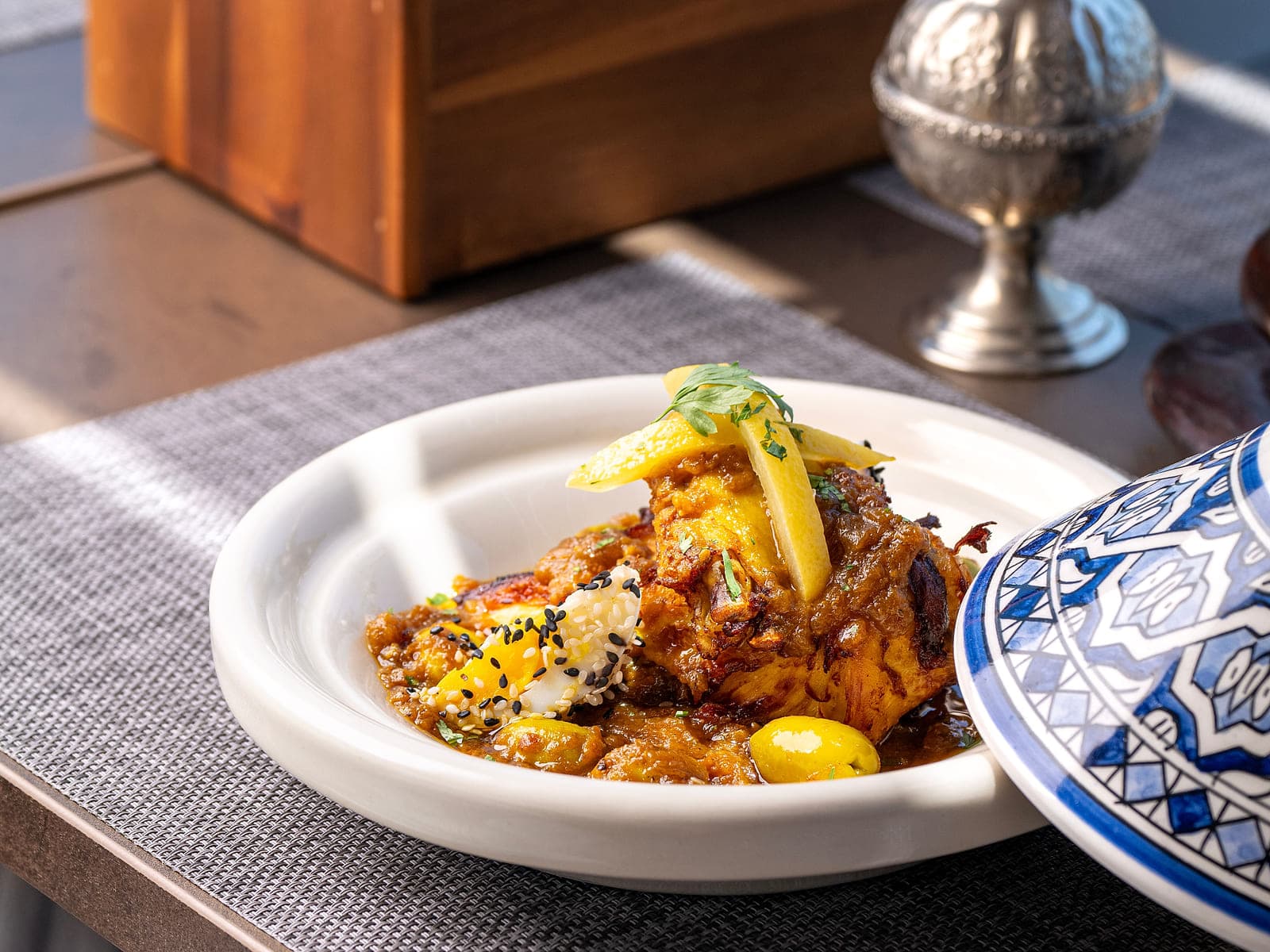
Chicken slow-cooked with saffron, ginger, preserved lemon and green olives until the sauce turns golden and thick enough to scoop with bread.
The tagine is the beating heart of the Moroccan kitchen. The name belongs to both the dish and the vessel: a shallow earthenware base with a tall conical lid that traps steam, lets it condense and returns it to the food below. The result is meat that falls apart and vegetables that keep their shape while soaking up the sauce.
A Moroccan tagine is built in layers rather than stirred. Onion and oil go down first, the meat sits on top, vegetables are arranged around it and the spices are scattered over everything. From that point you leave it alone and let the low heat do the work.
You do not need a clay tagine to start. A heavy casserole with a well-fitting lid gives you most of the way there, and every recipe below includes the timings for both.

Hand-rolled semolina steamed until light, served under seven vegetables or simply with buttermilk.
1 recipe

Harira, bissara and the warming bowls that open a Moroccan meal — especially during Ramadan.
1 recipe

Cooked and raw salads served in small dishes — zaalouk, taktouka, carrot salad and more.
3 recipes
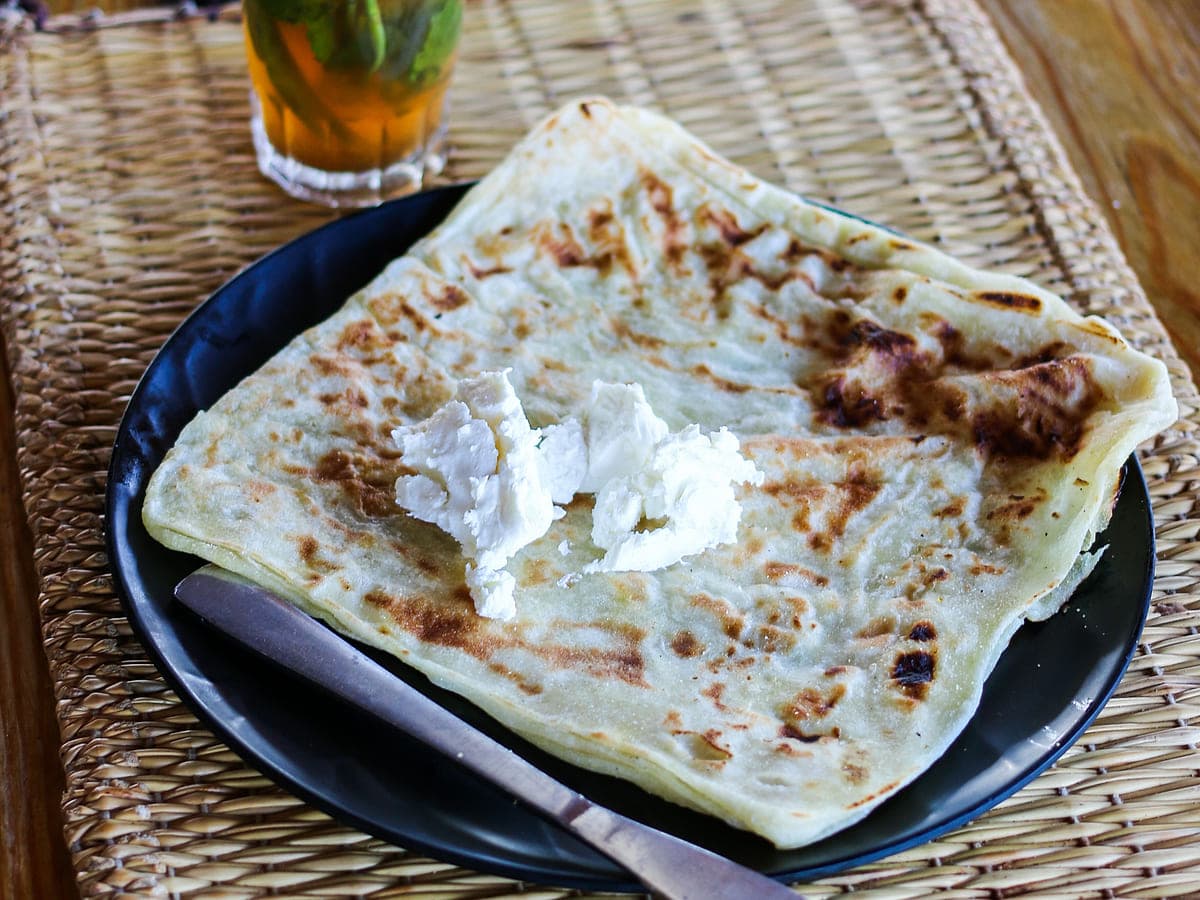
Khobz, batbout and the flatbreads that do the work of a fork at every Moroccan meal.
2 recipes