Chebakia — Moroccan Sesame and Honey Rosettes
Spiced sesame dough folded into flowers, fried until crisp and soaked in warm honey and orange blossom water.

- Prep
- 1 hr 15 min
- Cook
- 45 min
- Total
- 2 hr
- Serves
- 40
- Difficulty
- Hard
Chebakia is the pastry of Ramadan. Families make kilos of it in the week before the month begins, and it sits beside the harira at sunset every evening until the month ends.
The dough is unusual: toasted sesame and anise ground into the flour, saffron, cinnamon, a little vinegar and orange blossom water. It smells extraordinary before it ever reaches the pan.
The folding takes practice and the honey soak takes patience — the pastries must go hot into warm honey and stay there long enough to drink it up. Everything else is straightforward.
Ingredients
Makes 40 servings
For the dough
To finish
Instructions
Mix the dough
Combine the flour, ground sesame, anise, cinnamon, salt, yeast and turmeric. Add the saffron water, melted butter, oil, egg, vinegar and orange blossom water and work them in, then add the warm water little by little until you have a firm, smooth dough. Knead for 10 minutes.
Rest
Cover and rest for 30 minutes. The dough should be firm enough to roll thin without springing back.
Roll and cut
Roll out to 2 to 3 mm, working with a quarter of the dough at a time. Cut into rectangles about 7 x 5 cm, then cut four parallel slits along each rectangle, stopping short of the edges.
Fold the rosette
Thread your finger through alternate slits, lift, and pinch the two short ends together firmly, twisting once so the strips open out into a flower. Press the join hard — it must not come apart in the oil.
Warm the honey
Heat the honey with the orange blossom water in a wide pan until fluid and steaming, but never boiling. Keep it warm over the lowest heat.
Fry
Heat oil to 160°C — a moderate heat, since chebakia must cook through before it colours. Fry in batches for 4 to 5 minutes, turning, until deep golden brown and crisp all the way through.
Soak in honey
Lift the pastries straight from the oil into the warm honey. Leave them for 5 to 7 minutes, pushing them under, until they stop bubbling and feel heavy. Lift out with a slotted spoon, letting the excess drip back.
Finish and store
Scatter generously with toasted sesame seeds while still sticky and cool on a rack. Store in an airtight tin, where they keep for at least a month.
Cook’s notes
- Grinding the toasted sesame is what gives chebakia its flavour and its texture. Whole seeds in the dough are not a substitute.
- Fry at a moderate temperature. Too hot and you get a dark pastry with a raw centre that will not absorb honey.
- The classic test is sound: properly soaked chebakia stops hissing in the honey.
Recipe information
- Prep time
- 1 hr 15 min
- Cook time
- 45 min
- Total time
- 2 hr
- Servings
- 40
- Calories
- 155 kcal per serving
- Cuisine
- Moroccan
- Course
- Dessert
- Difficulty
- Hard
- Keywords
- chebakia, moroccan chebakia recipe, ramadan sweets, sesame honey pastry
Nutrition is an estimate per serving, calculated from the ingredient list. Values vary with brands, cuts and portion size.
Frequently asked questions
Why is chebakia eaten during Ramadan?
Can chebakia be baked instead of fried?
How long does chebakia keep?
My chebakia unravelled in the oil. What went wrong?
More Moroccan recipes
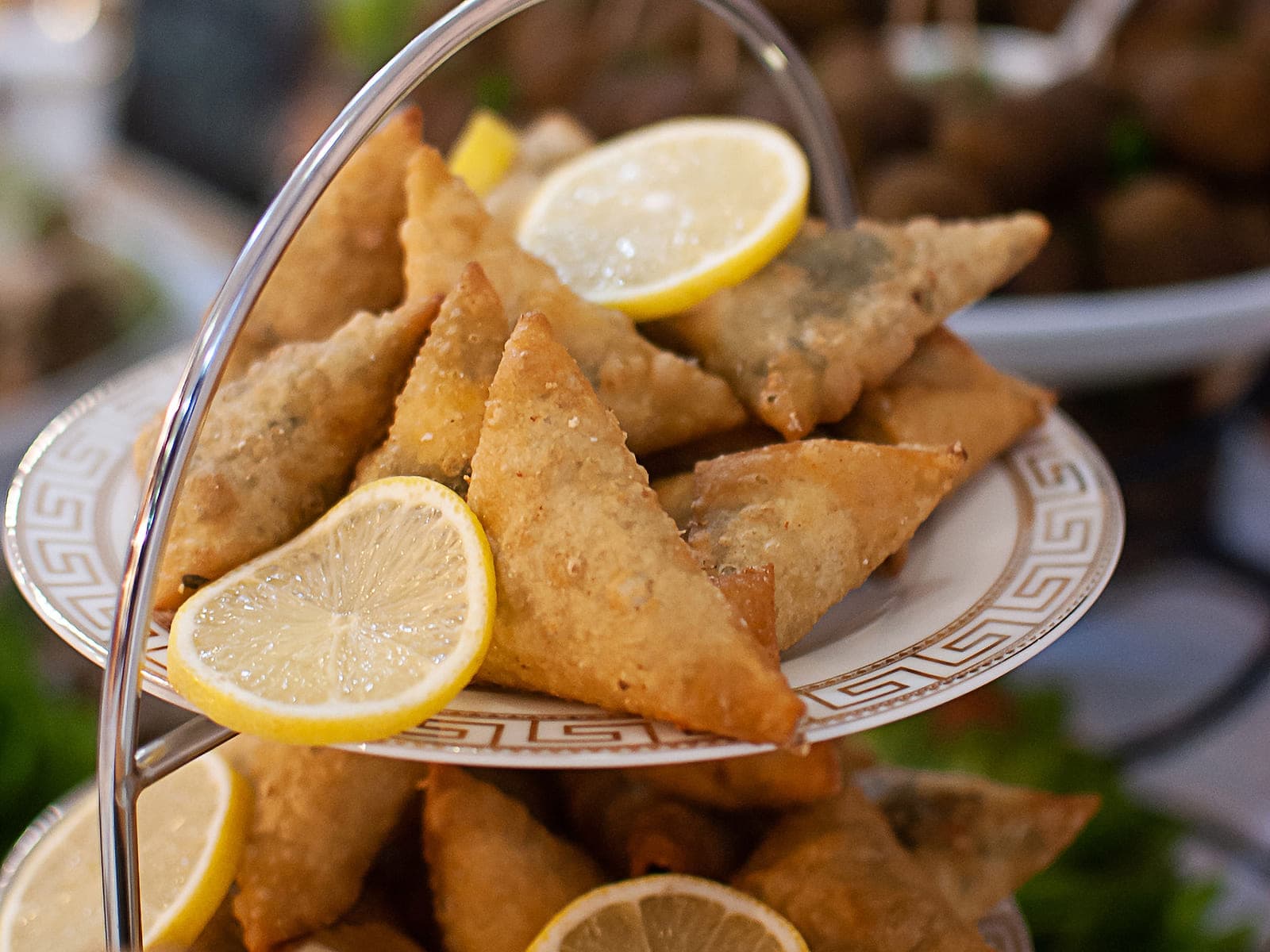
Moroccan Briouat — Crisp Almond and Savoury Parcels
Triangles and cigars of thin warqa pastry filled with honeyed almond paste or spiced meat, fried until shatteringly crisp.

Baghrir — Moroccan Thousand-Hole Pancakes
Light semolina pancakes cooked on one side only, covered in tiny holes that soak up melted butter and honey.

Chicken Pastilla — Moroccan Sweet and Savoury Pie
Spiced shredded chicken, almond and egg wrapped in thin warqa pastry, baked until crisp and dusted with icing sugar and cinnamon.
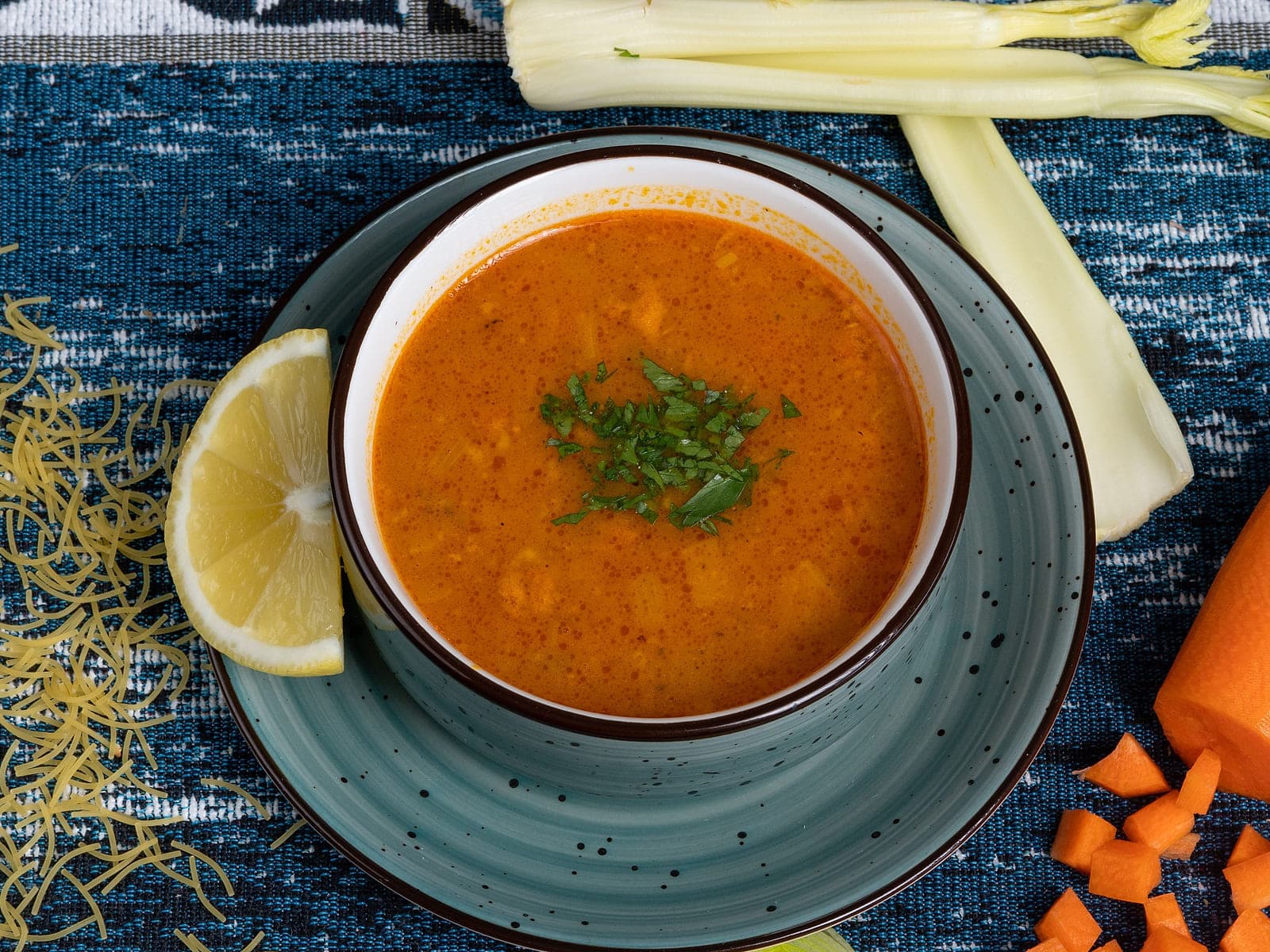
Harira — Moroccan Tomato, Lentil and Chickpea Soup
The soup that breaks the fast in Ramadan: tomato, lentils, chickpeas and lamb, thickened with a flour and water tedouira and finished with coriander.