Ingredients
Moroccan Spices: A Beginner's Guide
The ten spices that cover almost all Moroccan cooking, how to buy and store them, and what ras el hanout actually is.
The Moroccan Cooks KitchenUpdated
You can cook most of the Moroccan repertoire with seven spices and two jars. What follows is what each one is doing, in the order you are likely to reach for it.
The essential seven
Cumin (kamoun)
The most-used spice in the country and the one most often served loose on the table next to the salt. It carries the cooked salads, kefta and anything grilled. Buy seeds and grind them; ground cumin loses its edge within a few months.
Ground ginger (skinjbir)
Dried ginger, not fresh, is what goes into tagines. It gives warmth and a dry pepperiness rather than the bright heat of the fresh root, and the two are not interchangeable.
Turmeric (kharkoum)
Mostly colour, some earthiness. It is what makes a chicken tagine golden when saffron is too expensive to use generously.
Sweet paprika (felfla hloua)
Used by the teaspoon in cooked salads and sauces, for colour and a mild sweetness. Smoked paprika is a different ingredient and will make your zaalouk taste Spanish.
Cinnamon (karfa)
Appears in savoury cooking as often as in sweets. A stick goes into slow-cooked meat; ground cinnamon goes into pastilla, briouat and the prune tagines.
Black pepper (elbzar)
Used in genuinely large quantities — a full teaspoon in a tagine is normal. Grind it fresh.
Saffron (zaafran hor)
The expensive one, and the only one where quality is non-negotiable. Crumble the threads and steep them in a little warm water for ten minutes before use, then add the water with them. If you cannot get real saffron, leave it out rather than substituting colorant.
Ras el hanout
The name means "head of the shop" — the merchant's best blend. There is no fixed formula. A good one contains somewhere between twelve and thirty spices, typically including cinnamon, cardamom, mace, nutmeg, rosebud, cubeb pepper, ginger and turmeric.
Because it varies so much, treat any ras el hanout as an ingredient in its own right rather than a standard. Taste it on its own before you cook with it, and use it in dishes that call for it specifically — rfissa, mrouzia, some lamb tagines — rather than adding it to everything.
The two jars
Preserved lemons and harissa. Preserved lemons are salt-fermented and used for the rind only; a jar keeps for a year and transforms chicken, fish and vegetable dishes. Harissa is a chilli paste served alongside rather than cooked in, so people can add heat themselves.
Buying and storing
- Buy small quantities often rather than large jars once. Ground spice is stale within six months.
- Buy whole cumin, coriander, black pepper and anise. Buy ground turmeric, ginger and cinnamon — they are difficult to grind well at home.
- Store away from the hob, in the dark, in sealed jars. Heat and light do more damage than time.
- Toast whole seeds in a dry pan for 30 seconds before grinding. It is the single cheapest improvement you can make to your cooking.
Frequently asked questions
What is ras el hanout made of?
Can I substitute fresh ginger for ground ginger?
How much saffron do I need for a tagine?
Get Moroccan recipes in your inbox
New recipes, cooking tips and delicious ideas — one email a week.
Recipes from this article
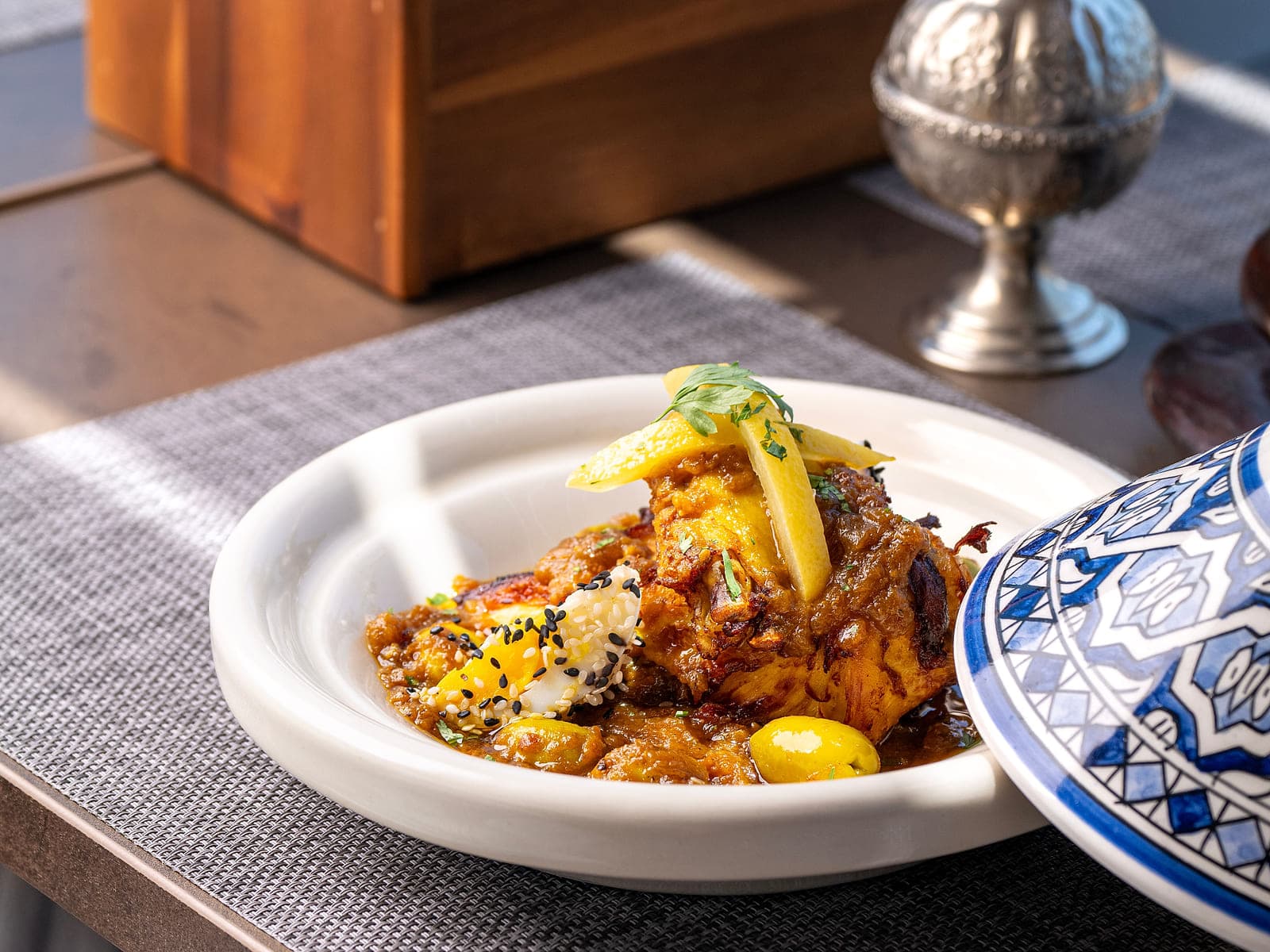
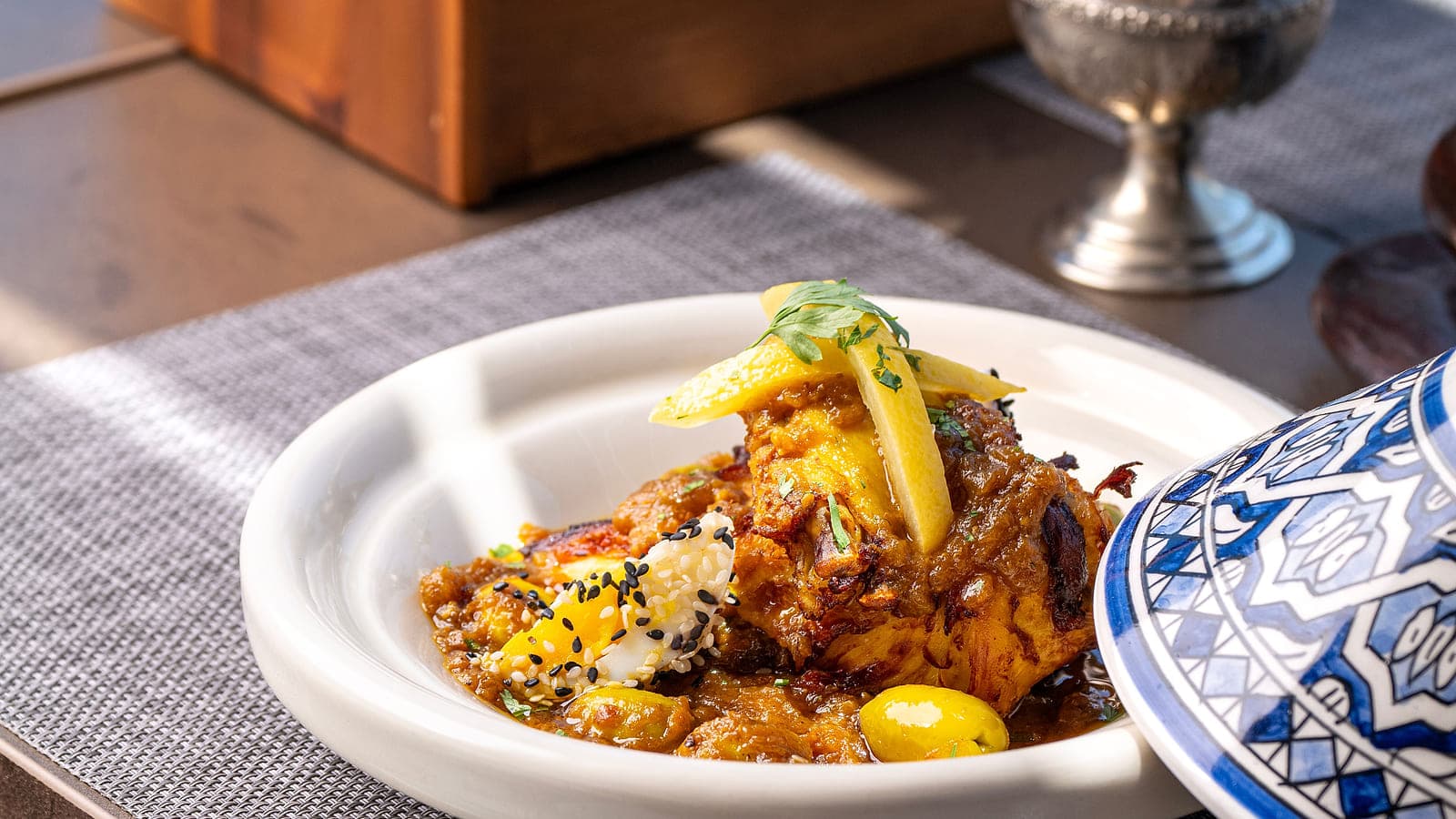
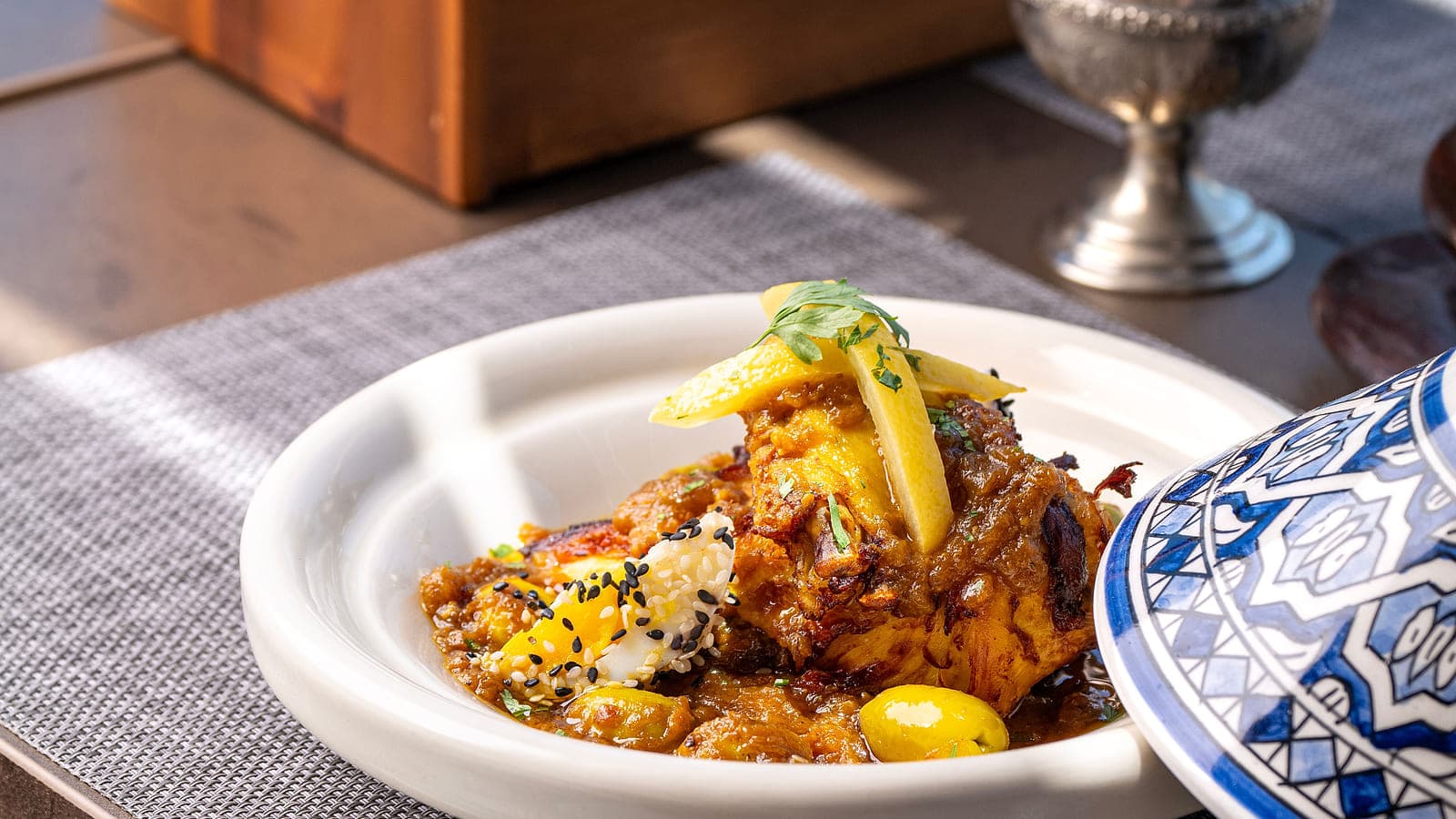
Moroccan Chicken Tagine with Preserved Lemon and Olives
Chicken slow-cooked with saffron, ginger, preserved lemon and green olives until the sauce turns golden and thick enough to scoop with bread.
Zaalouk — Moroccan Smoky Aubergine and Tomato Salad
Aubergine and tomato cooked down with garlic, cumin and paprika until jammy and smoky, served warm or cold with bread.
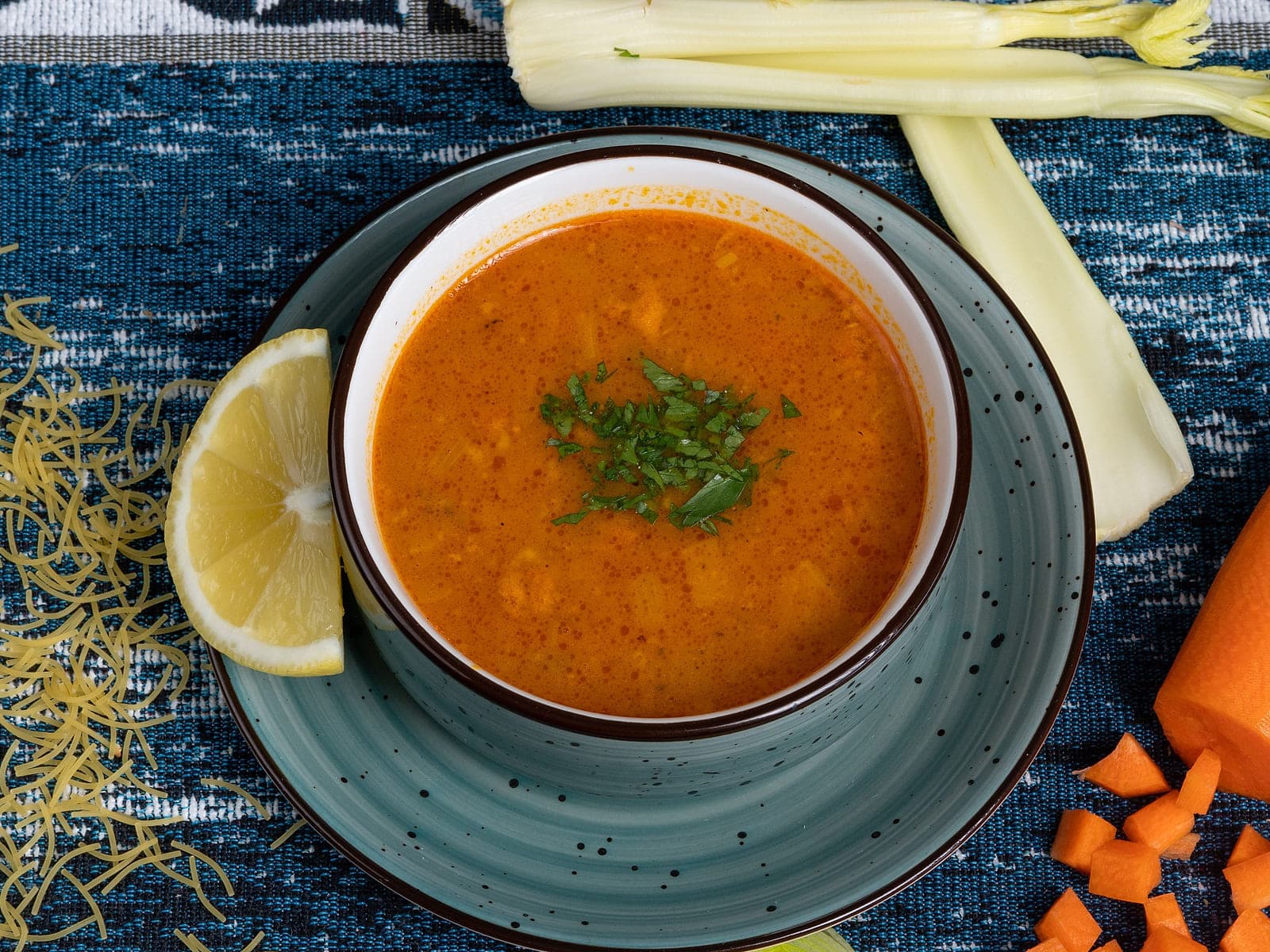
Harira — Moroccan Tomato, Lentil and Chickpea Soup
The soup that breaks the fast in Ramadan: tomato, lentils, chickpeas and lamb, thickened with a flour and water tedouira and finished with coriander.
Keep reading
Moroccan Cuisine
What Makes Moroccan Cuisine Special?
Where Moroccan cooking came from, why sweet meets savoury so often, and the handful of techniques that shape almost every dish.
Guides
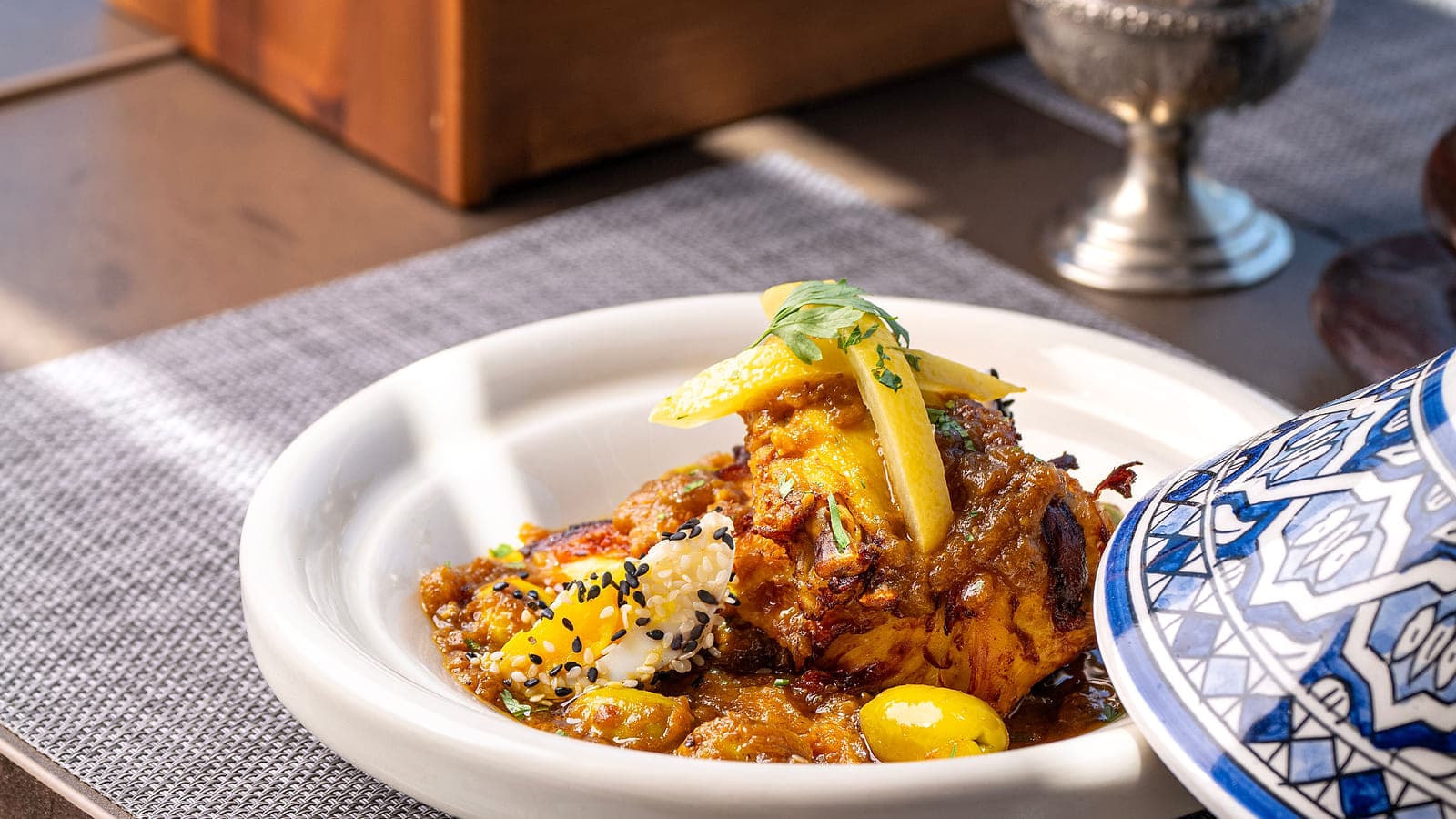
10 Traditional Moroccan Dishes You Need to Try
A guide to the ten dishes that define Moroccan cooking, what each one actually tastes like, and where to start if you are cooking them for the first time.