Bissara — Moroccan Split Fava Bean Soup
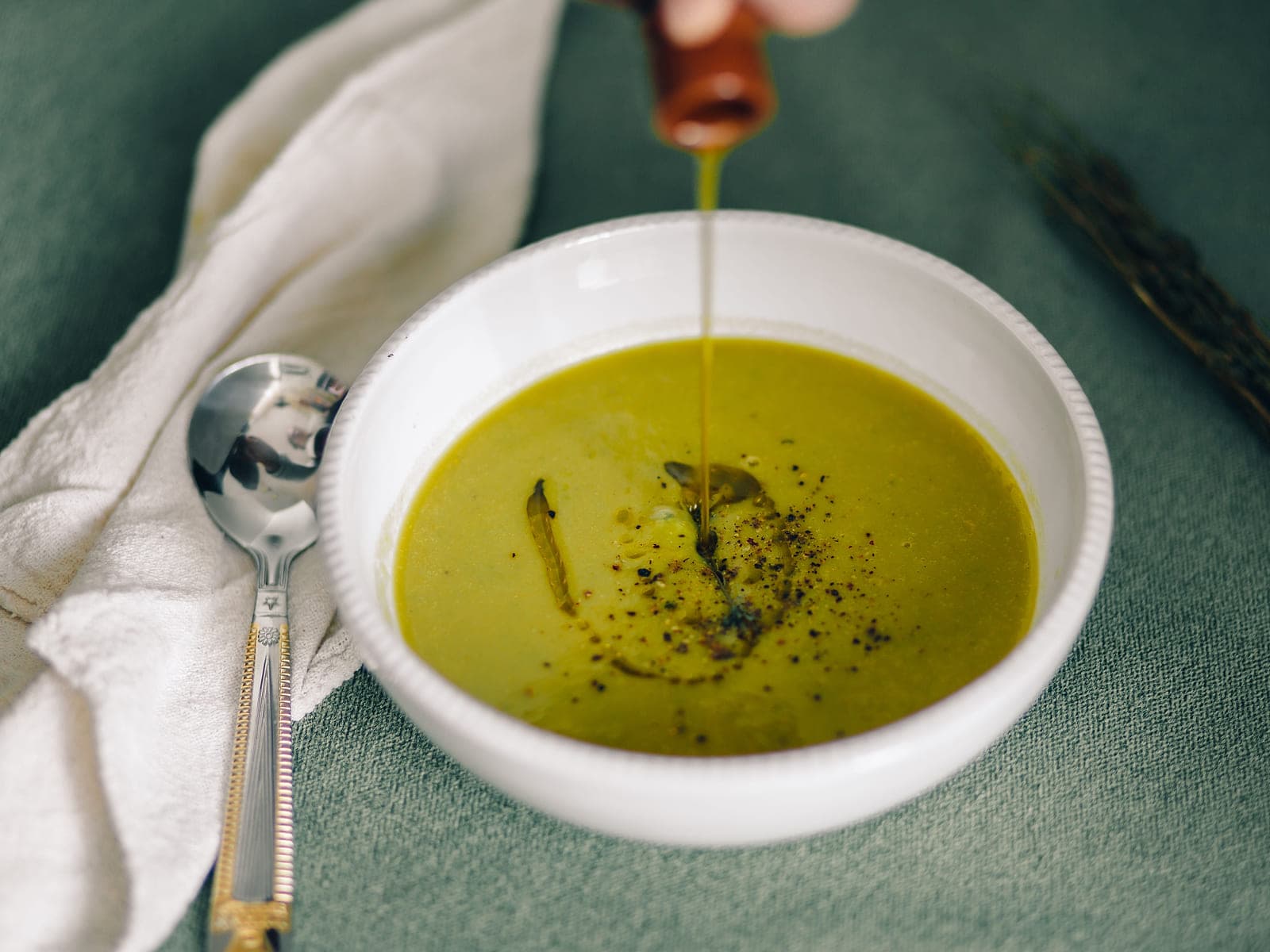
Dried fava beans cooked with garlic until they collapse, then blended smooth and finished at the table with olive oil, cumin and paprika. Morocco's winter breakfast.
- Prep
- 10 min
- Cook
- 1 hr
- Total
- 1 hr 10 min
- Serves
- 4
- Difficulty
- Easy
Bissara is a working breakfast. In Chefchaouen, Fez and Tetouan it is sold from stalls on cold mornings — a thick bowl of pale green purée, a well of olive oil pressed into the middle, cumin and paprika shaken over the top, and bread to eat it with. It costs almost nothing and it keeps you going until the afternoon.
The recipe is three ingredients doing all the work: dried split fava beans, garlic and olive oil. There is no stock, no onion and no tomato. What matters is cooking the beans long enough that they fall apart on their own, and being generous with the oil and cumin at the end.
It is eaten for breakfast, but it also makes an excellent light supper, and it is one of the cheapest dishes in Moroccan cooking.
Ingredients
Makes 4 servings
For the soup
To finish at the table
Instructions
Soak the beans
Rinse the split fava beans in several changes of water until the water runs clear, then cover them generously with cold water and leave for at least 4 hours, or overnight. Peeled split beans do not strictly need it, but soaking shortens the cooking by half and gives a smoother result.
Start the pot
Drain the beans and tip them into a large pot with the whole garlic cloves, the 3 tablespoons of olive oil, the cumin, the paprika and the water. Do not add salt yet. Bring to the boil.
Skim
A grey foam will rise in the first few minutes. Lift it off with a spoon and discard it — leaving it in gives the soup a slightly bitter edge and a muddy colour.
Simmer until the beans give up
Lower the heat, cover with the lid slightly ajar, and cook for 45 to 60 minutes. Stir every fifteen minutes and scrape the bottom, because a thickening purée catches easily. The beans are ready when they crush to nothing between two fingers and the mixture has lost its shape.
Season and blend
Add the salt and stir. Blend until completely smooth — a stick blender straight in the pot is easiest. Bissara should be thick, closer to a loose purée than a soup, but pourable. Let it down with hot water a little at a time until it falls slowly off the spoon.
Warm through
Return it to a low heat for 2 or 3 minutes and taste again. It will take more salt than you expect. If it tastes flat, it is almost always salt rather than spice.
Serve
Ladle into shallow bowls. Make a dip in the middle with the back of the ladle and pour in a tablespoon of olive oil, then dust cumin and paprika over the top. Serve immediately with warm bread, and lemon for anyone who wants it.
Cook’s notes
- Split yellow peas make a close substitute and cook in about the same time. The colour is more golden and the flavour slightly sweeter, but nobody will send it back. Whole dried fava beans with skins on will not work unless you peel them.
- Bissara sets almost solid in the fridge. Reheat it with a good splash of water, whisking, and it comes back to exactly what it was.
- Some households add a spoonful of harissa or a pinch of cayenne to the pot. Northern versions tend to be plain and let the cumin carry it.
- Be heavy handed with the olive oil at the table. An under-oiled bissara tastes worthy rather than good, and the oil is the point.
- It freezes for three months. Freeze before blending if you can, as the texture comes back better.
Recipe information
- Prep time
- 10 min
- Cook time
- 1 hr
- Total time
- 1 hr 10 min
- Servings
- 4
- Calories
- 330 kcal per serving
- Cuisine
- Moroccan
- Course
- Soup
- Difficulty
- Easy
- Keywords
- bissara, moroccan fava bean soup, bessara recipe, moroccan bean soup
Nutrition is an estimate per serving, calculated from the ingredient list. Values vary with brands, cuts and portion size.
Frequently asked questions
What are split fava beans and where do I buy them?
Can I use canned fava beans?
Why is my bissara bitter?
Is bissara eaten hot or cold?
More Moroccan recipes
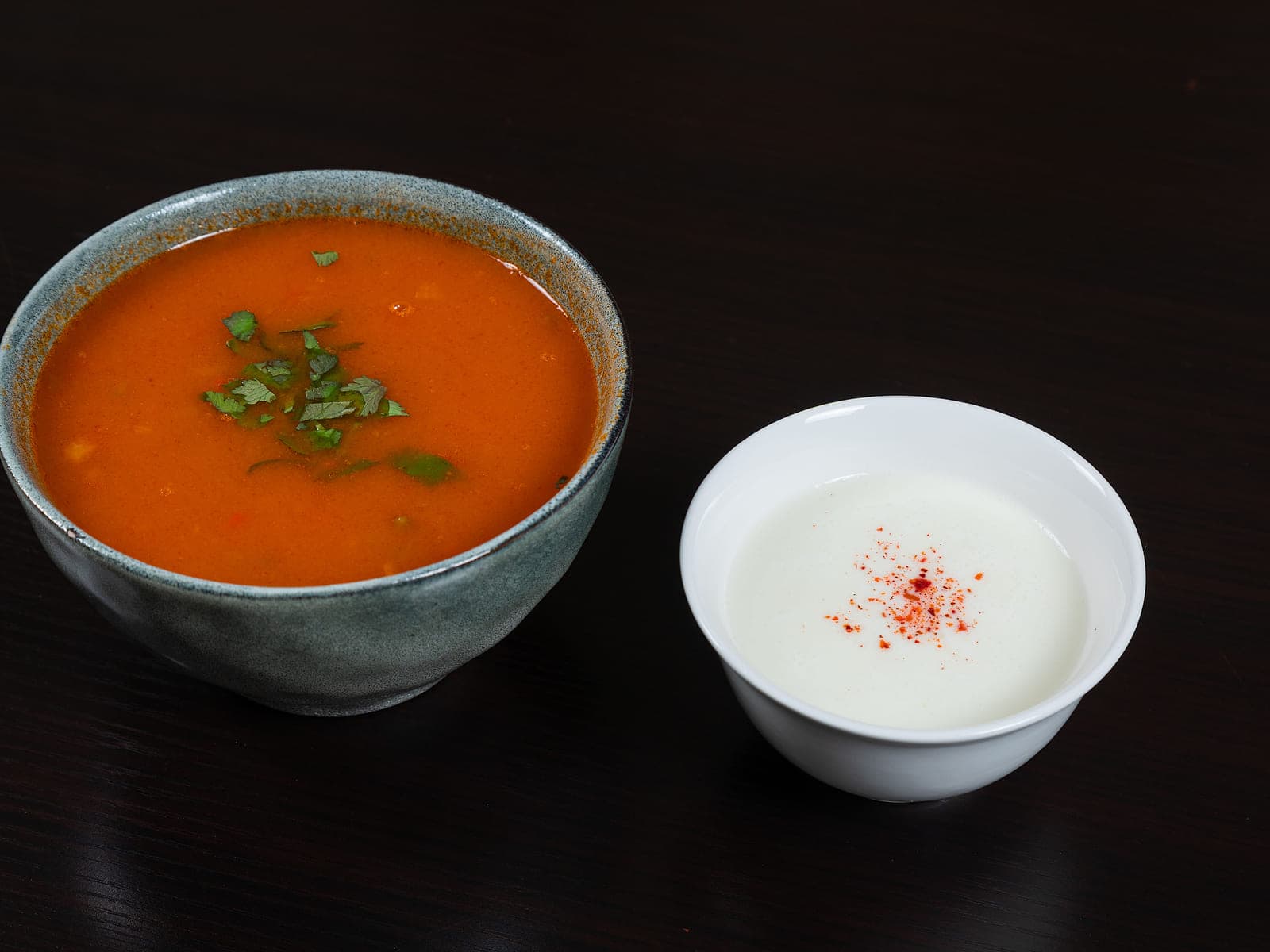
Moroccan Lentil Soup — Adas
The everyday Moroccan lentil soup: brown lentils cooked down with grated tomato, garlic and cumin until thick enough to eat with bread. Vegan, one pot, and cheap.

Baghrir — Moroccan Thousand-Hole Pancakes
Light semolina pancakes cooked on one side only, covered in tiny holes that soak up melted butter and honey.

Msemen — Moroccan Layered Flatbread
Squares of semolina dough stretched paper thin, folded with butter and pan-fried into flaky layers for breakfast with honey and tea.
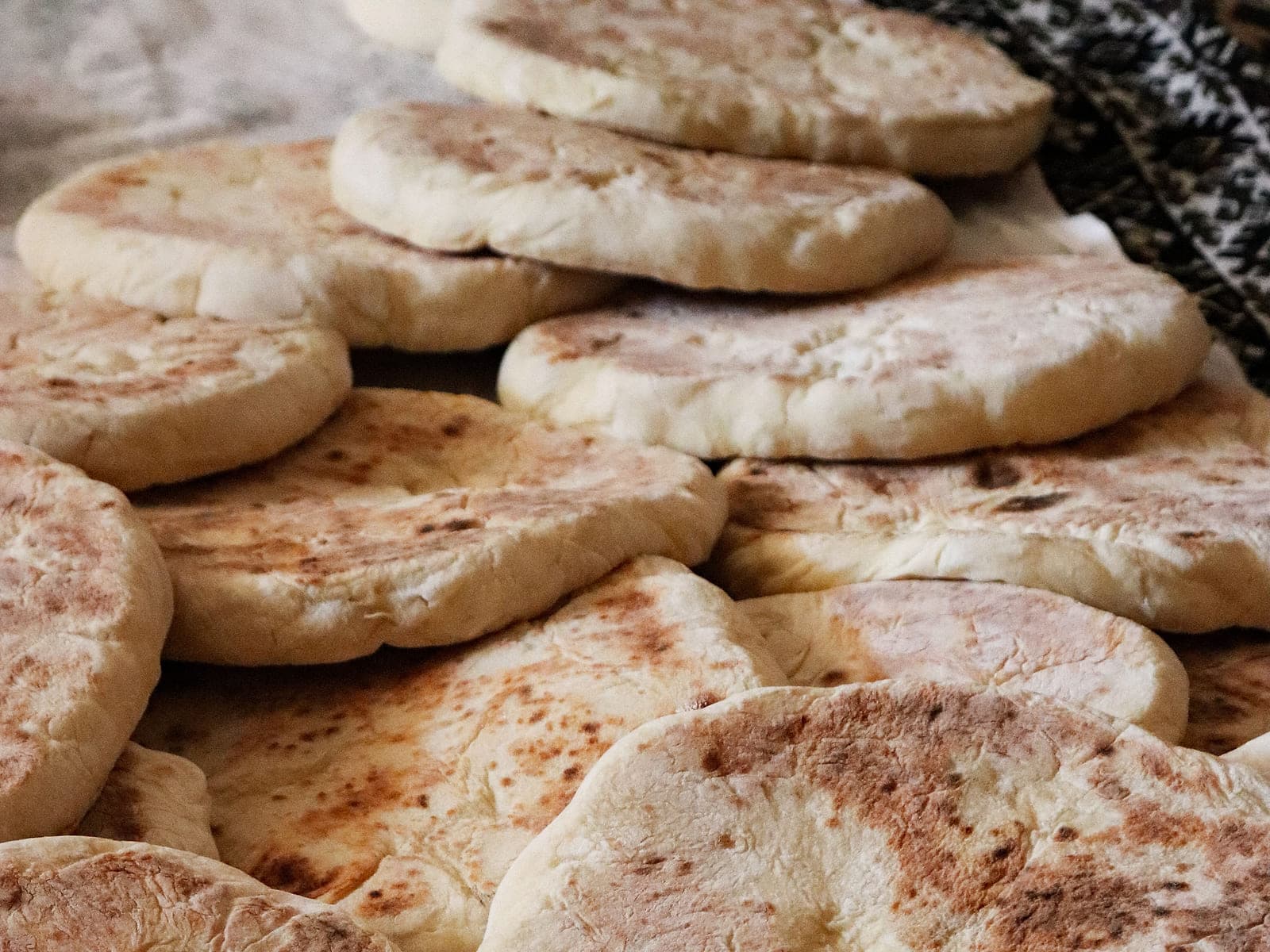
Khobz — Everyday Moroccan Bread
Round semolina and flour loaves baked flat and soft, the bread used as a fork at every Moroccan meal.